 Reviews


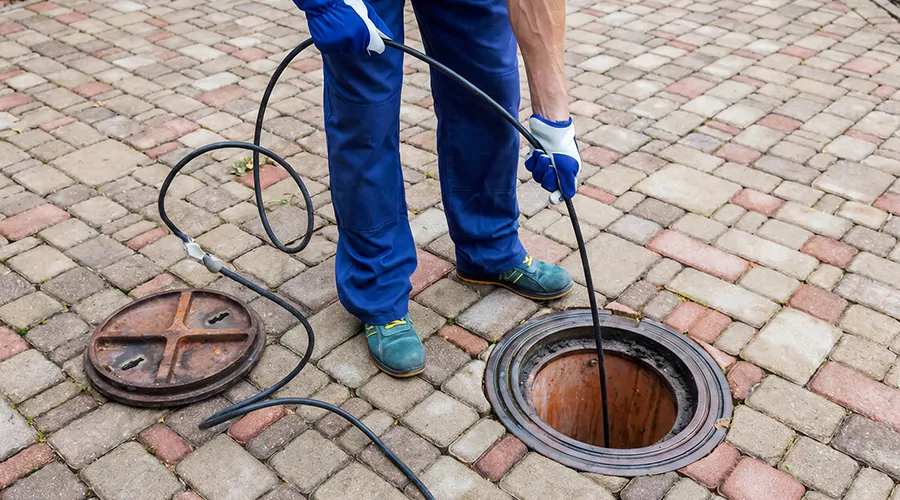
Hydro jetting is pipe cleaning with pressurized water at 1,500 to 4,000 PSI delivered at 6 to 18 gallons per minute. The residential service costs $350 to $800 in 2026 and scours pipes back to bare wall.
A cable snake pokes a hole through a clog. Hydro jetting plumbing service removes the entire lining of grease and scale the snake leaves behind.
That difference explains both the higher price and the multi-year result. Here's how the machine works and when it earns its cost.
How Hydro Jetting Works?
Jet plumbing equipment has three parts: a high-pressure pump, a hose that travels deep into the line and a specialized nozzle that aims the water. The nozzle does the clever work. Water sprays forward and backward at once, which cleans and drives the hose simultaneously.
Direction is the whole design. Forward jets break up the blockage while rear-facing jets propel the hose through the pipe and flush debris downstream. A jet drain nozzle pulls itself along the line this way, so the plumber feeds the hose while physics does the crawling. This controlled water pressure is what makes Hydrojet Plumbing effective for clearing stubborn buildup and flushing debris from the pipe walls.
Pressure is dialed to the job. Power jetting rigs run 1,500 to 4,000 PSI for homes and reach 10,000 PSI in commercial settings. Nozzles change with the enemy too, since the plumber jet kit includes different heads for grease and a chisel-type nozzle for hard blockages like roots and ice.
The results read like new construction. Jet cleaning pipes with water removes grease, soap scum, mineral scale, root masses, sludge and biofilm, and a hydrojetted line returns to nearly its original diameter.
Insider tip: Access happens through the clean-out, the capped fitting on your sewer line. Knowing its location before you call shortens the visit.
What All the Names Mean?
One service travels under a dozen labels, and they all describe the same machine. Companies invent brand-flavored names for marketing rather than for technical differences. Knowing the synonyms keeps you comparing identical quotes.
Hydro flushing is the most common alternate label. Some contractors advertise hydro blast plumbing to emphasize the pressure. Others list hydro plumbing as a service category on their price sheets. A few write hydro flush plumbing on the invoice for the identical job.
Ask one clarifying question regardless of the name: what PSI and what nozzle for my pipe material? A real jetting outfit answers instantly.
Hydro Jetting vs Snaking
The two methods solve different problems at different lifespans. Snaking lasts 3 to 6 months on chronic clogs while jetting lasts 2 to 3 years. Price and durability trade places depending on whether your clog is a one-time event.
Snaking wins the simple cases. A first-time hair clog or a flushed toy needs a $100 to $275 cable visit rather than pressurized water. Hydro cleaning pipes earns its premium on the repeat offenders, because jetting outperforms snaking on grease, mineral scale and biofilm by scouring the walls instead of punching through.
The decision rule is simple math. When the same line clogs every few months, hydro jet it once instead of snaking it a third time, since a drain snaked more than twice in a year saves money long-term with a single jetting. A hydro flush drain treatment then holds the line clear for years rather than seasons.
Insider tip: Ask what happens to the debris. Jetting flushes it downstream and out of your system while careless snaking can shove it deeper.
Signs Your Line Needs Jetting
Six symptoms point at wall buildup rather than a single clog. Buildup problems return no matter how many times a cable clears them. Match two or more signs and jetting beats another snake visit.
- The same drain clogs repeatedly within months.
- Multiple fixtures drain slowly at the same time.
- Gurgling continues after a professional snaking.
- Kitchen lines slow down despite grease discipline.
- Sewage odor rises from drains between clogs.
- A camera already found roots or heavy scale.
One requirement rides along with all six. Jet drain plumbing work needs clean-out access to insert the hose, and homes without one may add a clean-out installation to the first visit.
Hydrojetting Old Pipes Safely
Age changes the risk math completely. Hydrojetting old pipes at full pressure can finish what corrosion started, since cast iron, clay, Orangeburg and galvanized steel lines require lower pressure or alternative methods. The camera decides everything before the water flows.
The inspection is the safety system. A pre-jetting camera inspection confirms pipe material and joint integrity before the PSI is calibrated, and professionals dial down to about 1,500 PSI for fragile residential lines. Reputable hydro plumbing services never skip this step, so treat any no-camera quote as a red flag.
Handled correctly the method stays gentle. With regulated pressure, jetting is safe on PVC, copper, steel, clay and even older asbestos-cement lines because water cleans without scraping the pipe surface.
Insider tip: ask for the camera footage on a flash drive. Pre-jetting video is proof of your pipe's condition for insurance and for the next contractor.
Commercial Jetting Schedules
Commercial jetting runs on the calendar rather than on emergencies. Restaurant grease lines need service every 6 to 12 months because cooking oil rebuilds faster than any household buildup. Preventive scheduling is the entire commercial strategy.
Grease is the recurring villain. A busy kitchen coats its lines weekly, and jet cleaning plumbing systems on a contract schedule costs less than one Saturday-night backup during service. Property managers apply the same logic to apartment main lines and parking-deck drains.
Municipal and industrial work scales the same idea up, with heavier trucks and higher pressures cleaning lines that residential rigs never touch.
What It Costs in 2026?
Jet drain cleaning services price by line size, access and severity. Residential jobs cluster in the middle hundreds while main sewer lines climb toward four figures. The table shows the realistic spread.
| Job | 2026 cost |
|---|---|
| Residential drain jetting | $350 to $800 |
| Main sewer line jetting | $600 to $1,500 |
| Typical main line range | $450 to $950 |
| Camera inspection add-on | $100 to $300 |
| Snaking, for comparison | $100 to $275 per fixture |
Judge the quote across time rather than against the snake price. For a line that closes up every six months, jetting is often cheaper over two years than three separate snaking visits.
Insider tip: bundle the camera with the jetting visit. Many companies discount the inspection when the truck is already parked outside.
Why This Is Never DIY?
Rental pressure washers and store-bought jetter kits top out far below professional force, and the professional force is exactly the danger. Water at up to 4,000 PSI can injure you or destroy your pipes when mishandled, which is why the PHCC says only licensed professionals should perform high-pressure drain cleaning.
The skill lives in the calibration rather than the trigger. Matching PSI to pipe material, reading the camera feed and choosing the nozzle are judgment calls a rental counter can't include. A homeowner jetting blind into a compromised clay line converts a $600 cleaning into a $9,000 excavation.
Keep your DIY energy for the plunger and the hand snake. The jetter belongs to the trade.
Conclusion
Hydro jetting is the difference between opening a pipe and actually cleaning it. Pressurized water scours walls that cables only tunnel through, and the results hold for years instead of months. Old or fragile lines demand a camera and calibrated pressure first. This week, pull your drain service receipts, and any line cleared twice in twelve months just nominated itself for jetting.